
Game design mechanics How to create engaging experiences in gambling environments
Understanding Game Design Mechanics in Gambling
Game design mechanics form the backbone of engaging gambling experiences. These mechanics dictate how players interact with the game, influencing everything from their emotional responses to their decision-making processes. In gambling environments, mechanics such as randomness, reward systems, and player choices are crucial. They work together to create immersive experiences that keep players coming back for more, ensuring that the thrill of gambling is both captivating and rewarding. For those new to this world, exploring bitcoin betting sites can provide a solid foundation for understanding how these elements work in practice.
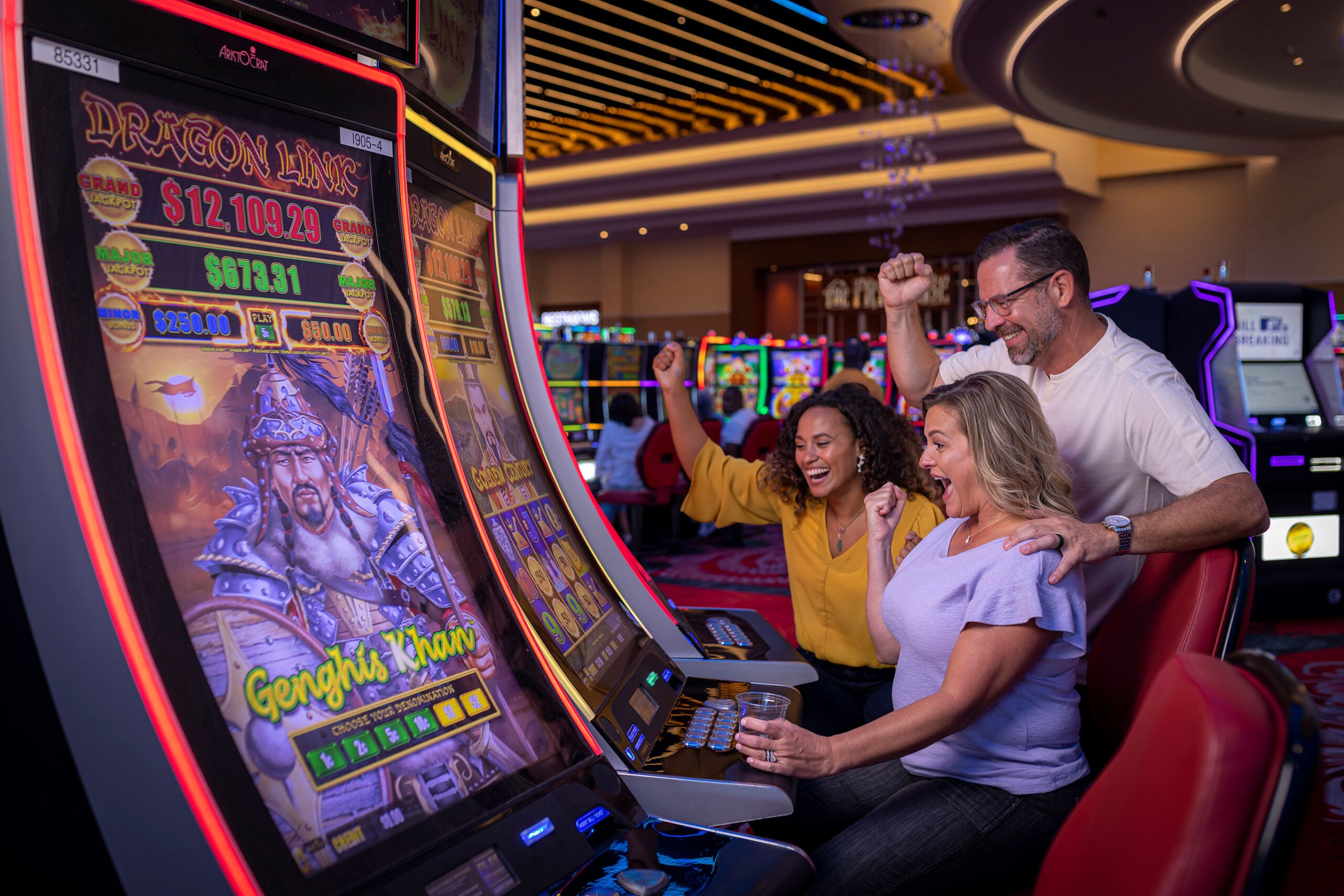
One of the most important mechanics in gambling design is randomness. It ensures unpredictability, which is essential for maintaining excitement in games such as slots and card games. A well-balanced random number generator (RNG) contributes to fair play while enhancing the thrill of chance. Players enjoy the uncertainty of not knowing whether they will win, and effective use of randomness can create suspenseful moments that are integral to the overall experience.
Another vital aspect is the reward system, which plays a significant role in user engagement. Players are motivated by the prospect of winning, and a thoughtfully designed reward mechanism can greatly enhance their enjoyment. This could range from immediate small wins to larger, more significant payouts. When players feel that the rewards are attainable, they are more likely to remain engaged, explore different games, and ultimately increase their spending.
The Importance of User Interface and Experience
User interface (UI) and user experience (UX) are fundamental components of game design in gambling environments. A seamless UI allows players to navigate effortlessly through games, while an enjoyable UX ensures that their overall experience is smooth and satisfying. The layout, color schemes, and interactive elements can significantly influence player engagement, making it imperative for designers to prioritize these aspects during the development phase.
Additionally, the integration of graphics and sounds can elevate the gambling experience. High-quality visuals and immersive sound effects can make players feel as if they are part of an exciting environment, enhancing their emotional investment in the game. For instance, vibrant animations in slots or the clinking of chips in a virtual poker room can create an atmosphere that resonates with players, making them more likely to stay longer.
Mobile optimization is also crucial, as more players turn to their smartphones for gambling. A responsive design that works seamlessly across devices ensures that users can access their favorite games anytime and anywhere. By focusing on mobile-friendly UI and UX, designers can cater to a broader audience, ensuring that the gambling experience remains enjoyable regardless of the platform.
Incorporating Social Elements in Gambling
Social interactions can significantly enhance the experience in gambling environments. Incorporating elements that allow players to communicate, compete, or collaborate with others can foster a sense of community. Features such as chat rooms, leaderboards, and multiplayer modes not only enhance engagement but also create a social bonding experience that can keep players coming back.
Many successful gambling platforms have integrated social features that allow players to share their achievements, invite friends, or even compete against one another. This not only elevates the experience but also encourages players to engage with the platform more frequently. The feeling of belonging to a community can drive regular participation, transforming gambling into a shared social event rather than a solitary activity.
Furthermore, the use of gamification elements such as achievements and rewards for social interactions can further enhance engagement. Players can earn bonuses for inviting friends, participating in community events, or even reaching certain milestones. This not only incentivizes social interaction but also adds another layer of enjoyment to the gambling experience, making it more memorable and rewarding.
Testing and Iterating Game Designs
Effective game design is an iterative process, especially in the gambling sector, where player preferences can shift rapidly. Conducting playtests and gathering feedback from users is vital in refining mechanics, UI, and social features. This feedback loop allows designers to identify what works, what doesn’t, and what can be improved upon to enhance player experience.
In addition to formal testing, analyzing player behavior through data analytics can provide insights into how users interact with different game elements. Metrics such as time spent on a game, frequency of plays, and user engagement levels can inform designers about player preferences and behavior patterns. By leveraging this data, developers can tailor their offerings to better meet the needs and desires of their audience.
Iterating on game designs based on testing and feedback not only improves the quality of individual games but also builds trust with the player community. When users see that their input is valued and reflected in updates, they are more likely to remain loyal to the platform. This ongoing commitment to improvement can establish a brand’s reputation as a leader in the gambling industry.

Creating an Engaging Online Gambling Platform
In today’s digital landscape, creating an engaging online gambling platform requires a multifaceted approach. It involves an understanding of game design mechanics, UI/UX principles, and the integration of social elements, all while continuously testing and iterating on designs. Developers must stay attuned to market trends and player preferences to ensure their offerings remain appealing and relevant.
Moreover, fostering a safe and secure environment is paramount for player trust. Implementing robust security measures and transparent practices reassures users that their data and funds are protected. When players feel secure, they are more likely to engage fully with the platform, exploring different games and options without hesitation.
Ultimately, the goal is to create a comprehensive gambling experience that appeals to both casual and dedicated players. By focusing on innovative game mechanics, user-friendly designs, and a strong community, gambling platforms can provide experiences that are not only entertaining but also rewarding, ensuring long-term player retention and satisfaction.